Practice Tracking as a Habit — Why Measuring Matters
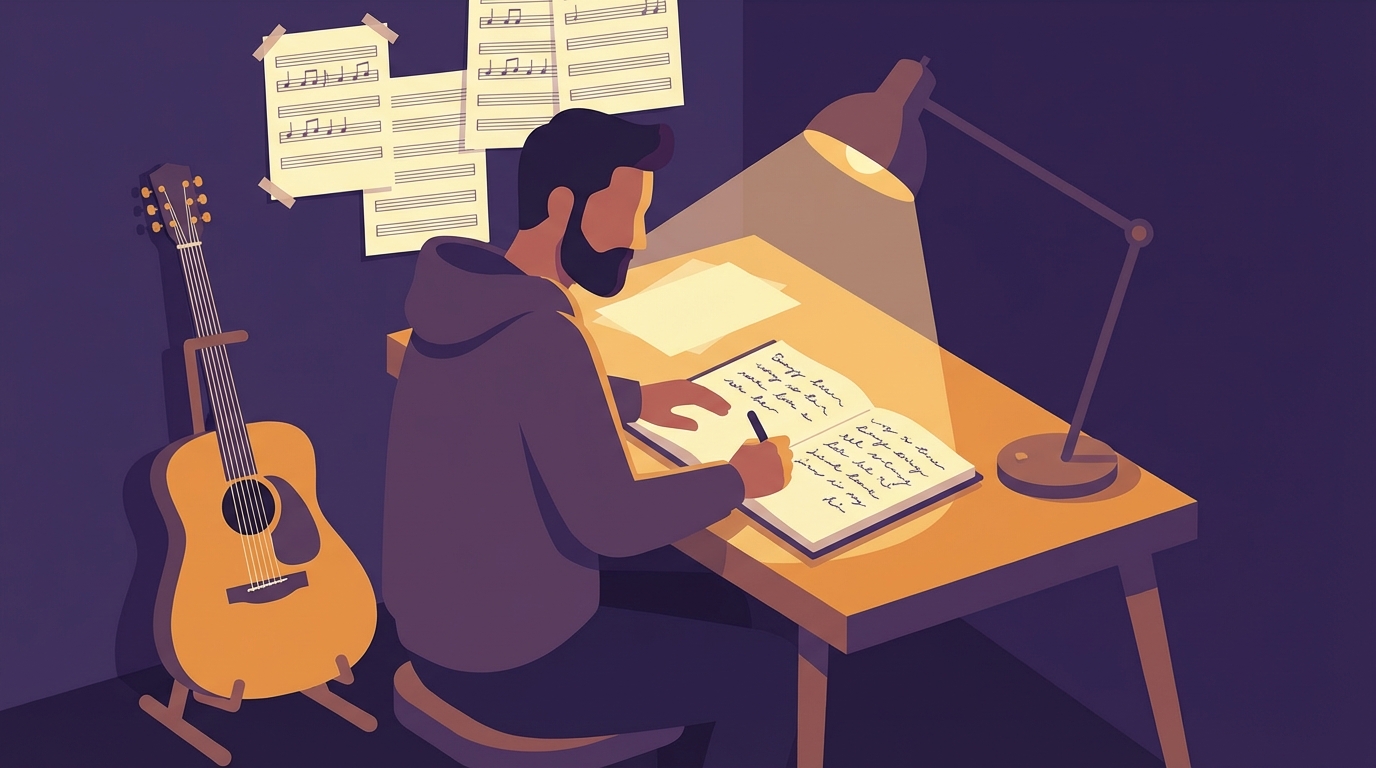
You sat down yesterday and played for an hour. It felt okay — some rough patches in the third movement, but the opening is getting smoother. A week later, you can't remember which parts gave you trouble or what you worked on. Sound familiar?
Improvement happens through practice. But how do you know it's happening?
The problem isn't effort. Most musicians put in the hours. The problem is that without a record, practice becomes a blur. You know you've been working, but you can't point to where things shifted. Progress in music is slow and uneven — the kind of change that's invisible day-to-day but obvious over months. You need something outside your memory to see it.
That's where tracking comes in. Not as a chore, but as a habit that gives you information you can't get any other way.
Turning tracking into a habit
The key is making it small. You don't need a detailed journal entry after every session. Start with the basics: what you practiced, for how long, and one or two notes about how it went. That's it.
When tracking becomes routine — something you do as naturally as putting your instrument back in its case — it stops feeling like extra work. It becomes part of practice itself.
A few things that help:
- Log right after you finish. Your memory of the session is freshest. Even a single sentence like "Chopin etude — left hand still stumbling at bar 32" is valuable later.
- Note what felt different. Did something click today? Did a passage feel harder than last week? These observations are gold when you look back.
- Review weekly. Spend five minutes at the end of the week scanning your notes. You'll notice patterns — maybe you always avoid the pieces that need the most work, or your best sessions happen on days you warm up with scales.
The notes you write today are for the musician you'll be in three months
When you look back at a month of practice logs, you're not just seeing time spent. You're seeing a map of your musical life. Which pieces got the most attention. Where you got stuck. Where you broke through.
That context is what turns vague feelings of "I think I'm getting better" into concrete knowledge: "Three weeks ago I couldn't play this passage at tempo. Now I can."
It also helps with planning. If your notes show you've been avoiding sight-reading for two weeks, that's useful information. If you notice your technique sessions are always shorter than you intend, you can adjust.
Start simple
You don't need a perfect system. You need a consistent one. Track a few sessions this week. Write a short note after each one. See what you notice.
If you're already using Rightkey, the practice timer and session notes make this easy — log your time, jot down what happened, and let the data build over time. If you have ideas for how we could make this better, we'd genuinely like to hear them at rightkey.app/feedback.
The practice room can feel like a black box. Tracking opens a window into it.